


Resy
4.9430.00 Reviews
App Specs
- Version
- 3.21
- Updated On
- License
- Free
- Downloads
- 100,000+
- Developer
- Resy
- Categories
- Food & Drink
- Platform
- Android
Screenshots


 Analysis by AppCompare
I judge reservation apps by what happens after the first burst of excitement: do they still help when I’m making ordinary dinner plans, or do I forget they’re on my phone? Resy is most useful when I want to find and book a restaurant without juggling several search pages. Its value depends less on novelty than on whether the places I’m considering appear there and whether I’m happy to plan through an app.
From the first search to a lasting habit
I begin with a real dinner plan rather than browsing at random, because that quickly shows whether Resy has useful options for the places and times I care about. From there, the more important test is whether its booking tools continue to help once the first-week curiosity wears off.
What feels useful in the first week
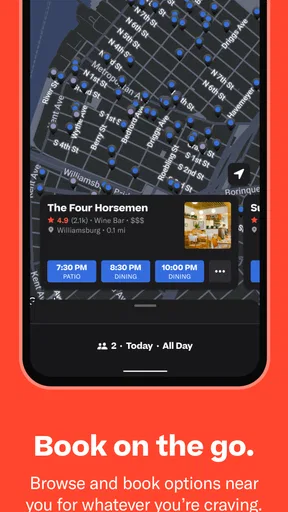
The first appeal is straightforward. I can browse restaurants, narrow my search by location or cuisine, and look for a time that suits my plans. For a specific evening, that is less work than opening individual restaurant pages one by one. Resy is a free Food & Drink app from Resy, and its focus is clear: helping people make restaurant reservations rather than trying to be an all-purpose food guide.
That focus also shapes the best way to try it. I’d start with a meal I already intend to book, rather than browsing without a plan. Search for the area and kind of food you want, then compare the available times before settling on a restaurant. This makes it easier to tell whether the app is useful for your own dining habits, instead of assuming that a large-looking selection will match every neighborhood or occasion.
A practical first-week test is to search for both your preferred time and a backup time. If the ideal slot is unavailable, a nearby alternative may still work better than abandoning the plan. I also find it helpful to decide the party size before searching: a table for two and a larger group can lead to different choices, so settling that detail early keeps the search focused.
Month-to-month value: the booking workflow
For a normal weeknight, the useful question is not whether booking takes only a few taps; it is whether I can find a suitable option without turning dinner into a project. I would use Resy when I have a rough destination, cuisine, or time in mind and want to see what fits. It is less compelling when I’m happy to walk in anywhere or when my group has not agreed on the basics.
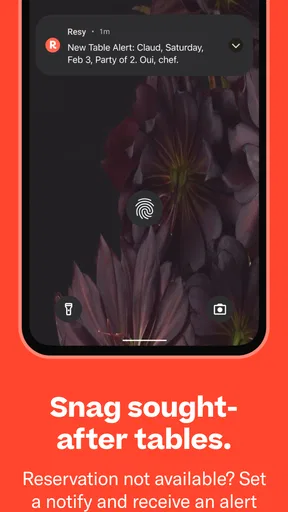
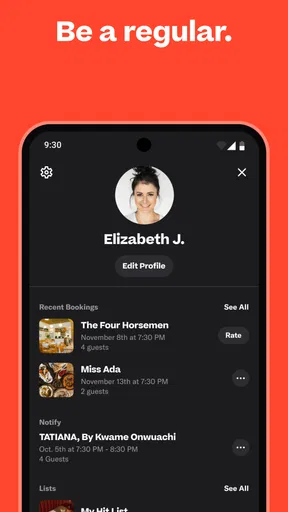
The Notify option is a more considered tool than repeatedly checking a sold-out time myself. If I have a particular restaurant in mind but can be flexible, setting an alert gives me a reason to wait without making the search my ongoing task. I’d treat it as a chance, not a guarantee: keep a second restaurant or time in reserve if the meal matters. That small bit of planning is what makes the feature useful rather than a source of false confidence.
Worth Reading Before You Choose

EA SPORTS FC Mobile 26 Is a Bigger Football Game, but It Takes Time

Flipboard Shows What News Apps Must Do Beyond the Feed

Switching to Android Auto Means Rethinking Your Driving Routine

Google Calendar Makes a Crowded Week Easier to Manage

Ludo King Makes the Most of the Minutes Between Plans

Baby Panda World Brings Quick Play to Modern Phones, but Its Game Library Feels Busy
Events add another reason to return, especially if I enjoy tasting menus or food-focused outings that need more planning than a casual dinner. I would look there when I want the meal itself to be the occasion, rather than expecting the section to solve an everyday lunch decision. For regular use, ordinary reservations are likely to matter more; events are an occasional extra, not the core reason I’d keep the app installed.
Resy has a 4.9 average from around 11,000 ratings, and it has passed 100,000 installs. Those figures suggest that plenty of people use it, but they do not tell me whether the restaurants I want are available in my area. The best test is still a search for places I would genuinely visit. The app is free and rated for Everyone, so trying it does not require a purchase or a commitment to use it for every meal.
Everyday planning and useful trade-offs
Here’s a realistic use case: I’m arranging dinner with a friend after work, and neither of us wants to spend the evening negotiating over a long list. I can search near the area where we’ll meet, compare cuisine and times, and send a short set of realistic options. If the first choice is full, I can check a different time or use Notify while keeping a backup in mind. That workflow is more helpful than sending someone a restaurant name with no idea whether a table is possible.
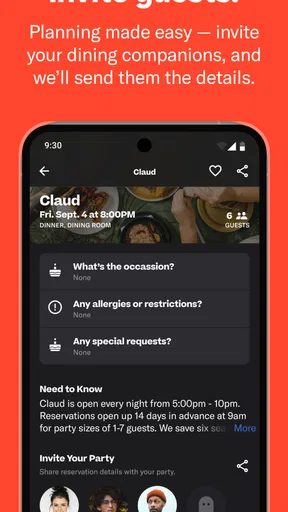
For a group, I’d settle the headcount and a time range in the chat before opening the search. Otherwise, it is easy to find a promising slot that stops being useful once someone changes the plan. I would also confirm the final choice with the group before booking. The app can make the reservation step smoother, but it cannot resolve disagreement about budget, location, or what everyone wants to eat.
Compared with a general map or search app, Resy’s advantage is that the task is centered on reservations. A broad search can be better when I’m exploring an unfamiliar area, checking basic directions, or simply trying to discover what is nearby. A restaurant’s own booking channel may be the better route when I already know exactly where I want to go and prefer to deal with that venue directly. I see Resy as a focused option in the mix, not a reason to discard every other way of finding a meal.
One useful habit is to search before the group gets attached to a single restaurant. If the preferred time is already unavailable, that early check leaves room to adjust the time or choose somewhere else without last-minute frustration. For a flexible dinner, I’d keep two possible times in mind; for a special occasion, I’d begin with the restaurant and date I care about most, then use alternatives as a fallback.
Maintenance, friction, and the point where it gets tiring
There is little routine upkeep involved in using a reservation app, but there is still a small mental cost: keeping plans current and remembering which booking is the real one when arrangements change. I’d check the reservation details after booking and make sure the group knows the confirmed time. If plans shift, deal with the booking promptly rather than assuming that a change in the group chat updates anything in the app.
The main limitation is practical rather than dramatic: a reservation search only helps when it offers a restaurant and time that suit the plan. I would not treat a broad selection as proof that every neighborhood, cuisine, or occasion is equally well served. Someone who often eats spontaneously, prefers walk-ins, or routinely books through places they already know may not open Resy often enough for it to earn a permanent spot in their routine.
Alerts can also become tiring if I use them for every unavailable slot. I’d reserve Notify for a restaurant I genuinely want and a time I can act on, rather than setting alerts across a long list. That makes an opening easier to evaluate when it appears and avoids turning dinner planning into a stream of interruptions. If I’m not flexible, a confirmed alternative is more dependable than waiting and hoping.
Another trade-off is that browsing can encourage me to keep comparing after I already have a good option. To avoid that, I’d decide on a few priorities first—such as location, cuisine, and the latest acceptable time—and stop once a restaurant meets them. Resy can make options easier to see, but it cannot decide which compromise matters least to the people coming along.
Who is most likely to keep using it?
I think it fits people who book meals ahead, like exploring restaurants, or want a more direct path from “let’s go out” to a confirmed table. It is particularly useful when the restaurant choice is still open but the group has a clear area or cuisine in mind. People who organize date nights, small celebrations, or planned dinners with friends may find that the booking workflow becomes a repeat habit rather than a one-time novelty.
I’d be less likely to recommend it as a main tool to someone who rarely makes reservations, eats wherever is closest, or already has a reliable way to book the places they visit. It may also be a poor fit when the decision depends on details the group needs to research elsewhere, or when a particular restaurant is the only acceptable choice and the available times do not match. In those cases, checking the venue directly or changing the plan can be more sensible than continuing to browse.
The app is on version 3.14 and requires iOS 12 or later. It has 337 reviews alongside its rating, but I would still make a personal test search the deciding factor. A positive overall response cannot tell me whether the app will fit my routine, and a quick look at restaurants I actually like is more informative than judging it by reputation alone.
A first-hand look at the reservation experience
If you're a food lover like me, you've probably faced the struggle of securing a reservation at the latest trendy restaurant. That's where Resy comes in, promising a seamless way to snag those elusive tables without the hassle. Let's dive into what makes this app a must-have for any serious diner.
First things first, downloading Resy on your Android or iOS device is a breeze. The app is lightweight and installs in seconds. Once you're in, the interface is clean and intuitive, which is a relief because no one wants to fiddle with complicated menus when they're hungry.
The sign-up process is straightforward, requiring just the usual: email, password, and a few personal details. What I really appreciate here is the option to link your account with Facebook or Google, which speeds things up and lets you get right into the action.
Finding and booking a table
Here's where the magic happens. Searching for restaurants is as easy as pie. You can filter by location, cuisine, or even the time slot you're aiming for. The app's database is extensive, covering a wide array of eateries from cozy cafes to Michelin-starred establishments.
Once you’ve found a spot that tickles your fancy, booking a table takes just a few taps. You select your party size, preferred time, and voilà! A confirmation email lands in your inbox almost instantly. It's quick, efficient, and best of all, reliable.
Features that can change the plan
One feature that truly stands out is the "Notify" option. Say the restaurant is fully booked for the evening. Instead of giving up, you can set a notification for your desired time. If a table opens up, you'll get an alert. This is a lifesaver for those of us who are spontaneous or have unpredictable schedules.
Another highlight is the "Events" section. Resy isn't just about regular dining; it curates special events, tastings, and chef's tables. This adds a unique twist to the dining experience, allowing users to explore culinary adventures they might not have discovered otherwise.
Design and choosing where to eat
The user experience on Resy is top-notch. The minimalistic design ensures that everything is easy to find, and the app runs smoothly without any hiccups. I also love the personalized recommendations based on your past reservations and preferences. It's like having a foodie friend in your pocket.
Another thoughtful touch is the inclusion of restaurant reviews and ratings. This gives users a sneak peek into what to expect, making decision-making easier, especially when you're trying out a new place.
Keeping it in my dining routine
All in all, Resy has revolutionized the way I dine out. It's not just an app; it's a companion for anyone who loves exploring the culinary world. Whether you're planning a romantic dinner or a casual brunch with friends, Resy makes the process hassle-free and enjoyable.
If you're tired of the traditional reservation process and want something more efficient and personalized, give Resy a try. You might just find that it becomes your new favorite dining tool. Bon appétit!
My long-term verdict is more measured: I’d keep Resy if it regularly helps me book restaurants I want to visit, or if I use its alerts and events often enough to justify keeping another dining app close at hand. I would not keep it just because the first search feels polished. After the novelty fades, the test is simple: does it save me effort on real plans, without making me wait on an uncertain opening or browse past the point of usefulness?
Pros
- User-friendly interface for easy reservations.
- Wide selection of restaurants available.
- Real-time updates on table availability.
- Integration with calendar for reminders.
- Offers exclusive events and experiences.
Cons
- Limited to certain cities and regions.
- Occasional app sync issues reported.
- Requires account for full functionality.
- Some features behind a paywall.
- Notifications can be overly frequent.
FAQs for Resy
What is Resy and how does it work?
Resy is a restaurant reservation app that allows users to book tables at their favorite dining spots quickly and easily. With a user-friendly interface, it provides real-time availability, letting you view and secure reservations without any hassle. The app also offers features like waitlist notifications and reservation modifications, making dining out more enjoyable and convenient.
Is Resy free to use, and are there any hidden fees?
Resy is free to download and use for booking reservations. However, some premium features, like certain exclusive reservations, may incur a fee. It's important to check each reservation for any associated charges before confirming your booking. The app is transparent about fees, ensuring users are aware of any costs upfront.
How reliable is the reservation system on Resy?
Resy is known for its reliable reservation system, offering real-time updates on table availability. It partners directly with restaurants to ensure that the information is accurate. Users can also receive notifications if a preferred time becomes available, providing flexibility and assurance that their reservations are secure.
Can I modify or cancel a reservation on Resy?
Yes, Resy allows users to easily modify or cancel reservations directly through the app. Simply navigate to your reservation details and select the option to change or cancel. Keep in mind that each restaurant may have its own cancellation policy, so be sure to check any specific terms that might apply to your booking.
Does Resy offer any loyalty or reward programs?
While Resy itself does not offer a traditional loyalty or rewards program, it does provide access to exclusive events and experiences for users. By using the app frequently, you might gain access to special dining events or unique reservations, enhancing your dining experience beyond standard reservations.


